And 2 The vaccine shall be limited to use in the prevention of warts in cattle. Precipitin response of cattle to commercial wart vaccine.
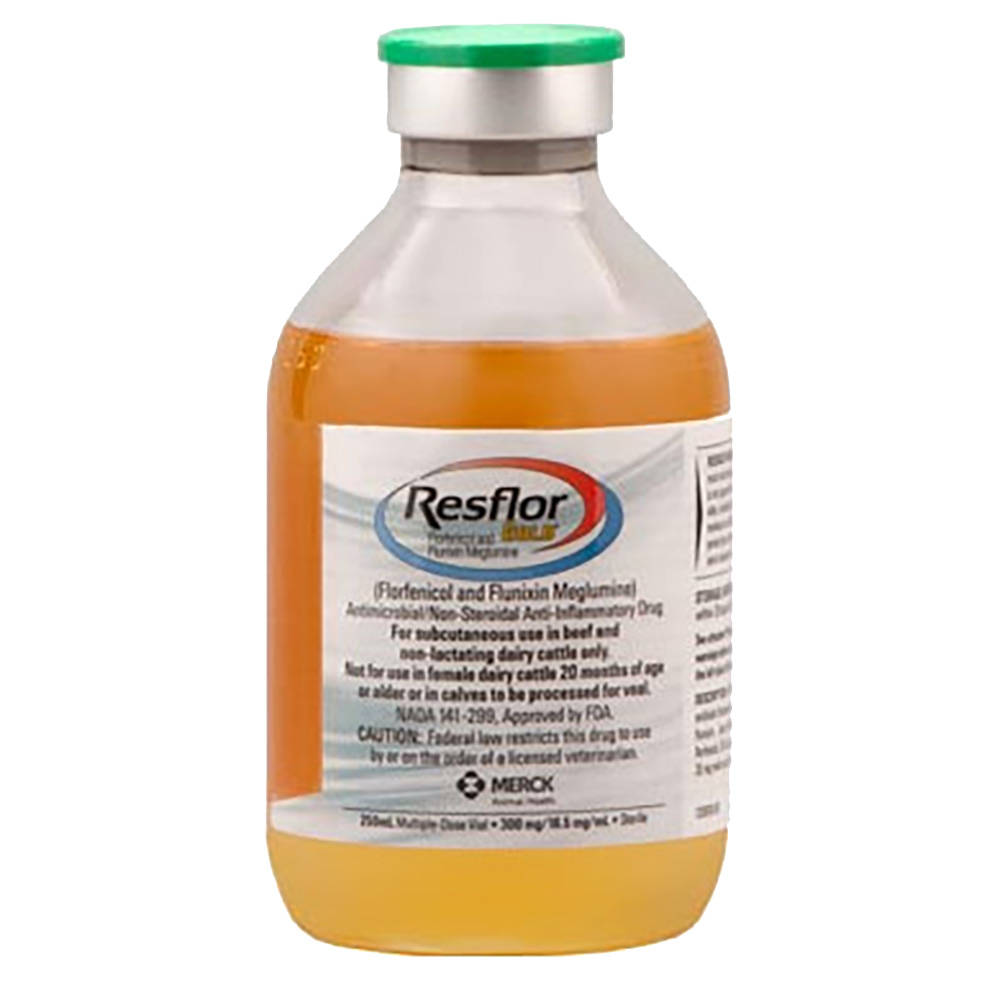 Rx Resflor Gold Western Ranch Supply
Give calves 10 ml SQ injected at 2 sites along the neck.
Wart vaccine for cattle. However immunity of the vaccinated animal can be ensured by using a non infectious vaccine booster every year or an infectious vaccine every 3 years. Commercial vaccination is an option but if the herd has ever had an outbreak of any type of wart then the probability that the vaccination will work is significantly decreased. Effective Aid in Removing Warts Without Causing Bleeding Easily Applied Painless Treatment Economical.
You generally need to collect at least 200 grams of the wart and the company may require that you order a certain number of doses of vaccine. The incidence is highest in loose-housed herds that are not kept clean. For use in removal of external warts from Cattle Horses Goats and Dogs.
The four most common types of cattle warts are squat pendulated flat and tags. The precipitin antibody response of these bulls to bovine papilloma virus was monitored. Other products by Colorado Serum.
For more information regarding efficacy and safety data see productdataaphisusdagov. A vaccine for PDD is available Trep Shield HW- Novartis Animal Health. It might not be worth it for just a few cattle but cost effective if you have a large-scale problem he said.
Barthold SW Olson C Larson LL. Give cattle 15 ml. This may need to be repeated a few times until the calf develops immunity.
Vaccination may best be thought of as an aid to the control of PDD. The duration of immunity is unknown. However it should help stimulate immunity by increasing the amount of virus in the bloodstream post-vaccination.
Should any doubt arise as to the seriousness of the wart infection in your cattle contact your local veterinary surgeon. Often used in a treatment effort as well to stimulate immunity against the strains of wart virus. The infectious vaccine may give properly vaccinated cattle immunity for life.
The bulls were given 2 additional vaccinations 2 and 24 weeks later. Viral wart papilloma prevention for cattle. 1 The vaccine shall be a tissue extract representing at least 10 percent weight to volume suspension of wart tissue.
Wartsoff Ointment is for use as an Aid in the Removal of External Warts Papillomas from Cattle Horses Goats and Dogs. It appears that vaccination is probably most effective in heifers prior to joining an already infected milking herd. A lot of cattle dealers will treat warts on cows by surgically removing them.
Repeat in 3-5 weeks. Repeated modified live infectious vaccinations are unnecessary. Fifty young bulls were given commercial wart vaccine upon their arrival at a bull stud establishment.
Many UK veterinary laboratories can produce an autogenous vaccine for single animals and these dont need a veterinary licence. Therapeutic vaccination ie vaccination of animals with existing warts with BPV-4 E7 or BPV-2 L2 induces early regression of warts. Two main types of lesions are seen one is erosivereactive the other is proliferative or wart-like.
A commercial wart vaccine is available manufactured by Colorado Serum Company. In advanced stages the warts may also appear on or around the teats and genital areas. Vaccines are considered to protect cattle but theyhave not been found to be of value in treatment.
Labeling recommendations shall be in accordance with 1127 h. As with any other vaccine the intent is to prevent a condition or disease so the wart vaccine is often not effective in causing rapid regression of warts. Alternatively a wart ointment is available through veterinary suppliers and may be a useful treatment.
All cattle under two years of age are susceptible to the condition. At the first sign of them the warts should be crushed or removed. Cattle warts appear on the skin of cattle and are usually confined only to the neck and shoulder region.
Awound spray should be applied to prevent problems with flies. Living the Country Life or Livestock. The key to wart control on a herd with a history of warts is to vaccinate young cattle and examine them often for warts.
Always follow the vaccine label directions to ensure the vaccination program is effective and to prevent residues in slaughtered animals. Vaccinations should be repeated in four weeks to six weeks then again at one year of age. Thats why vaccinations should be given at an early age as young as four weeks to six weeks old.
The prevalence is highest in the fall and winter and is lowest if the animals are pastured. Cattle already infected with the disease receive very little benefit from a vaccine according to some reports. This product was licensed prior to the requirement to establish a minimum age for use.
This process involves fresh warts being removed from the affected. Large pendunculated lesions may be removed either surgically or by tying off using a suitable ligature around the base. The incidence in beef cattle appears to be minimal.
Vaccines can protect cattle against clostridial reproductive and respiratory diseases as well as calf scours bovine ephemeral fever and pink eye. Warts can be removedsurgically with a scissors or a side cutter. Vaccination of calves as early as 46 weeks might be necessary to prevent infection.
Bleeding can becontrolled if a problem with silver nitrate applicator sticks. This product has been shown to be effective in the vaccination of healthy cattle against viral warts Papillomas. Producers should consult their herd veterinarian for a recommendation on use of this vaccine.

